What happens to the remaining stomach in a gastric bypass?
It stays in the body but is taken out of use: food runs via the small stomach pouch directly into the small intestine. The remaining stomach stays connected to the digestive tract via the small intestine, so its digestive juices continue to drain and reach the food pulp somewhat later. This distinguishes the bypass from the gastric sleeve, in which a large part of the stomach is removed.
From what BMI is a gastric bypass an option?
We recommend the gastric bypass from a BMI above 45, in exceptional cases also below. For weight-loss surgery, we regard a BMI of around 40 as the lower limit.
How long does gastric bypass surgery take?
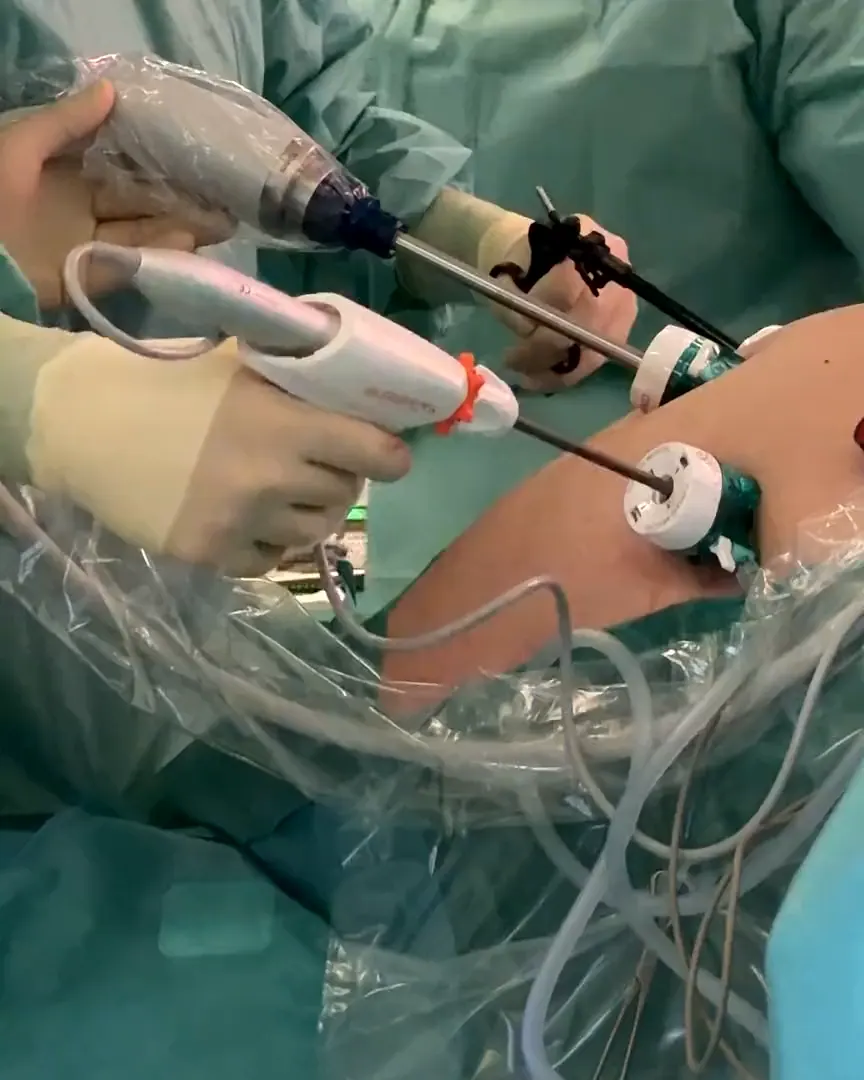
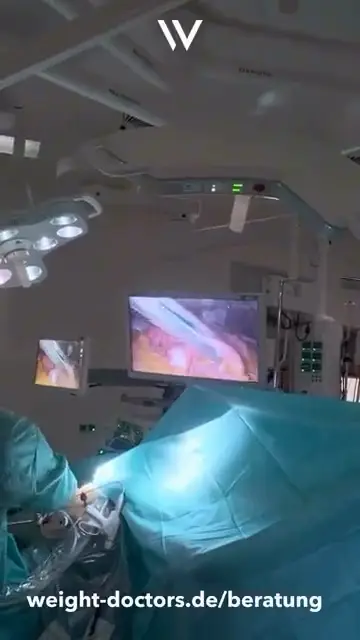
The operation takes about 120–150 minutes and is carried out under general anaesthesia – using keyhole surgery, that is through a few small incisions instead of a large abdominal cut. What remains is 3 small scars, about the size of a small mole.
What is the exact procedure for gastric bypass surgery?
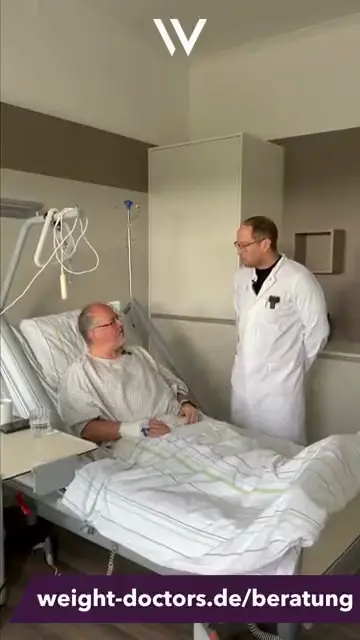
In advance, a gastroenterological preliminary examination clarifies whether anything speaks against the surgery. The procedure is carried out laparoscopically under general anaesthesia. Afterwards you generally stay 1–3 nights as an inpatient, looked after by experienced nursing staff; a few blood tests follow before discharge. For good healing, a special liquid-based diet is then prescribed for 4–6 weeks. After a gastroenterological check-up, you gradually rebuild your diet back to normal with our coaches.
When can I work again after the bypass?
Expect to be unfit for social life and work for about 14 days. You stay in the clinic for 1–3 nights; when you are physically fully fit again, we discuss individually with you.
How much weight do you lose with a gastric bypass?
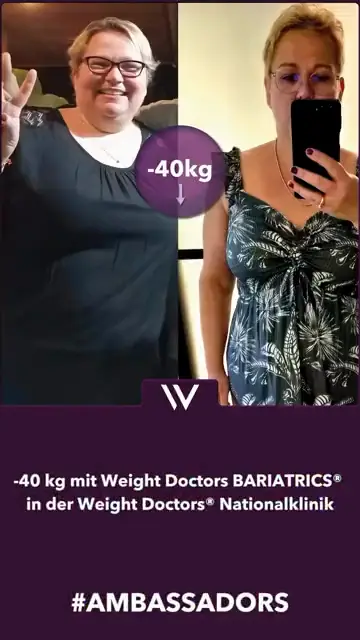
This cannot be said with certainty in advance: results vary from person to person. They depend on your starting weight and metabolism, on how consistently you change your diet and exercise, and on whether you attend aftercare. The bypass is intended for people with a large weight-loss goal, usually well over 40 kg. Which goal is realistic for you, we discuss openly with you.
What is the difference between a Roux-en-Y and an omega-loop bypass?
Both are variants of the gastric bypass. In the Roux-en-Y bypass, the small intestine is reconnected in the shape of a Y. The omega-loop bypass (OLB) is often called a mini bypass, but it is by no means “mini” and is at least as invasive. Which variant makes sense for you, we discuss with you.
Can a gastric bypass be reversed?
Theoretically yes, because unlike with the gastric sleeve, no part of the stomach is removed: the remaining stomach stays in the body. However, a reversal is very complex and carries risks, which is why the bypass is designed as a permanent solution. If problems arise or the effect wears off, targeted adjustments are possible, for example with Weight Doctors® REVISION.
What does a gastric bypass cost?
The gastric bypass is part of Weight Doctors BARIATRICS®, for self-paying patients from £16,900, including private-practice preliminary examination and aftercare. Payment in instalments via Ideal4Finance is possible. All prices at a glance: Costs & prices.
Is the bypass better than the gastric sleeve for heartburn?
If you have existing reflux disease, we advise against the gastric sleeve; the bypass is then often the more sensible choice. If reflux occurs after a gastric sleeve, conversion to a bypass may also be an option – more under Reflux after gastric sleeve.
What do I need to bear in mind after a gastric bypass?
The bypass fundamentally changes your digestion. You therefore take nutritional supplements for life to prevent malnutrition: daily multivitamin preparations and, depending on your blood values, also vitamin D, vitamin B, iron and calcium supplements. In the long term, results are better if you eat healthily, take the supplements regularly and have your blood values checked.
How do I prevent regaining weight after the bypass?
The bypass is a powerful tool – but how lasting the result is also depends on your everyday life. The most common reasons for regaining weight are lack of exercise, constant snacking, fast food, and sugary, diet and alcoholic drinks. Your Weight Doctors® team supports you with nutrition and exercise programmes, in person and in the app.
Are there risks associated with gastric bypass surgery?
Yes, as with any operation. These include: infection from stomach juices leaking into the abdominal cavity, wound infections at the puncture sites, weakening of the abdominal wall or abdominal wall hernias, gallbladder diseases or gallstones due to the rapid weight loss, blood clots with possible pulmonary embolism, and vitamin deficiency, which supplements, aftercare and blood tests can help prevent. As with any operation, life-threatening emergencies can occur, for example due to the anaesthesia or an undetected complication after the operation.


 GermanyYour location
 AustriaYour location
 NederlandYour location
 United KingdomYour location
 South AfricaYour location
 InternationalYour location


















































 Namibia