3,087 reviewsof the Weight Doctors® Group · 97% recommendation rate

Gastric bypass using keyhole surgery

Weight Doctors BARIATRICS® Gastric bypass

A small stomach pouch and a rerouting of the small intestine: the gastric bypass reduces the stomach by 85–90% and works in two ways. For people with a BMI above 45, in exceptional cases also below.

How your therapy is structured

Two building blocks.
One plan.

The Weight Doctors® MEMBERSHIP is the foundation of every therapy: medical oversight, progress monitoring and aftercare. The treatment you choose together with your specialist builds on it.

Building block 1

Weight Doctors® MEMBERSHIP

The foundation for every Weight Doctors® therapy – with the tools that support your treatment and record your progress for your medical consultations.

  • Weight Doctors® AppKeep an eye on weight, activity and sleep, for iOS and Android
  • Digital body scalesBluetooth scales – the readings flow straight into the app
  • 3D BodyscanMeasure body composition objectively, up to twice a year
  • Priority access to specialistsby phone, video or on site, without a long wait
  • 360 coaches and Weight Doctors® MiraNutrition and behaviour in everyday life, aftercare with your coaches
  • E-prescription servicePrescriptions issued digitally – after medical approval
More on the Membership
Building block 2

Weight Doctors BARIATRICS® gastric bypass

A small stomach pouch and a rerouting of the small intestine: the gastric bypass reduces the stomach by 85–90% and works in two ways. For people with a BMI above 45, in exceptional cases also below.

Procedure
Minimally invasive surgery (keyhole technique)
Duration
approx. 120–150 minutes
Price
from £16,900
Costs

The Membership does not replace a medical decision: whether treatment makes sense, and which one, is decided by your specialist after a medical assessment.

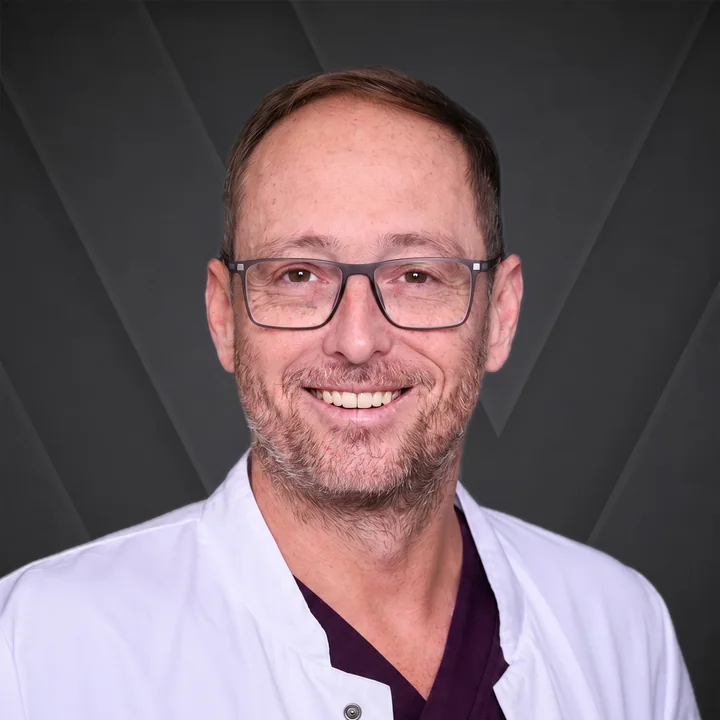
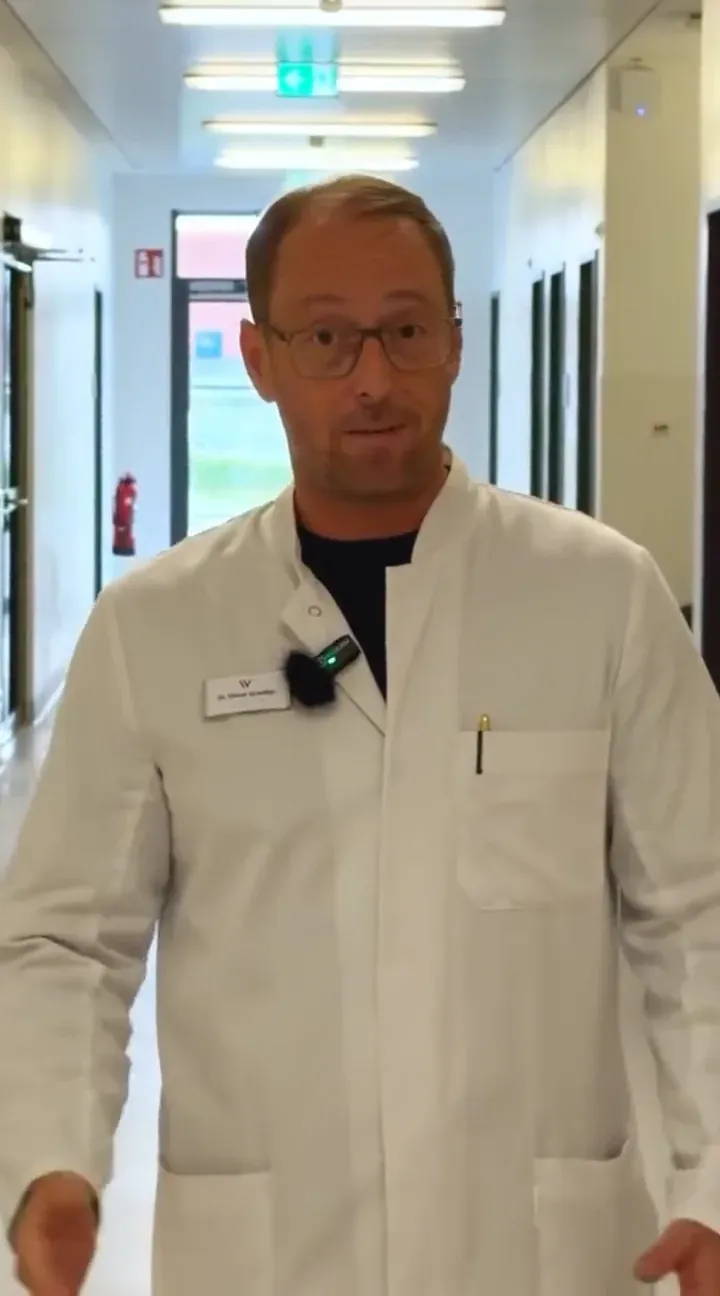
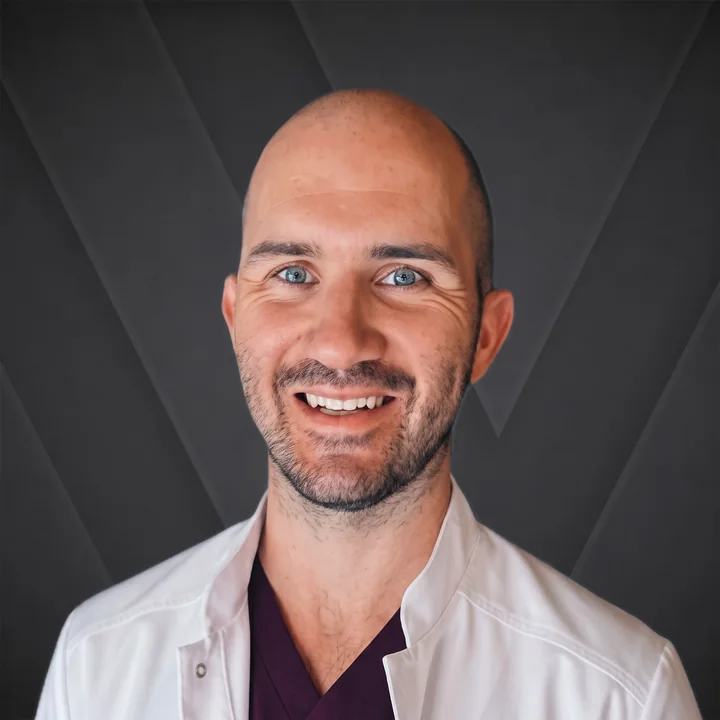
Personally here for youDr. med. Oliver Scheffel · Bariatric surgery

Your guide

The gastric bypass at a glance

How the bypass works, who it may be suitable for and how preparation and surgery work – and what matters afterwards: diet, risks and costs.

How the gastric bypass works

In a gastric bypass, a small stomach pouch is formed from the upper part of the stomach, the pouch – often also called the small upper stomach. It holds only 50–100 ml and is connected directly to a loop of the small intestine. Food therefore passes via the pouch into the small intestine and bypasses the stomach; hence the name bypass. Unlike with the gastric sleeve, the remaining stomach stays in the body but is taken out of use.

The bypass thus combines two principles of action – and this is what distinguishes it from the gastric balloon, the gastric band, the gastric sleeve and the endoscopic Weight Doctors SLEEVE®, which work mainly by making the stomach smaller:

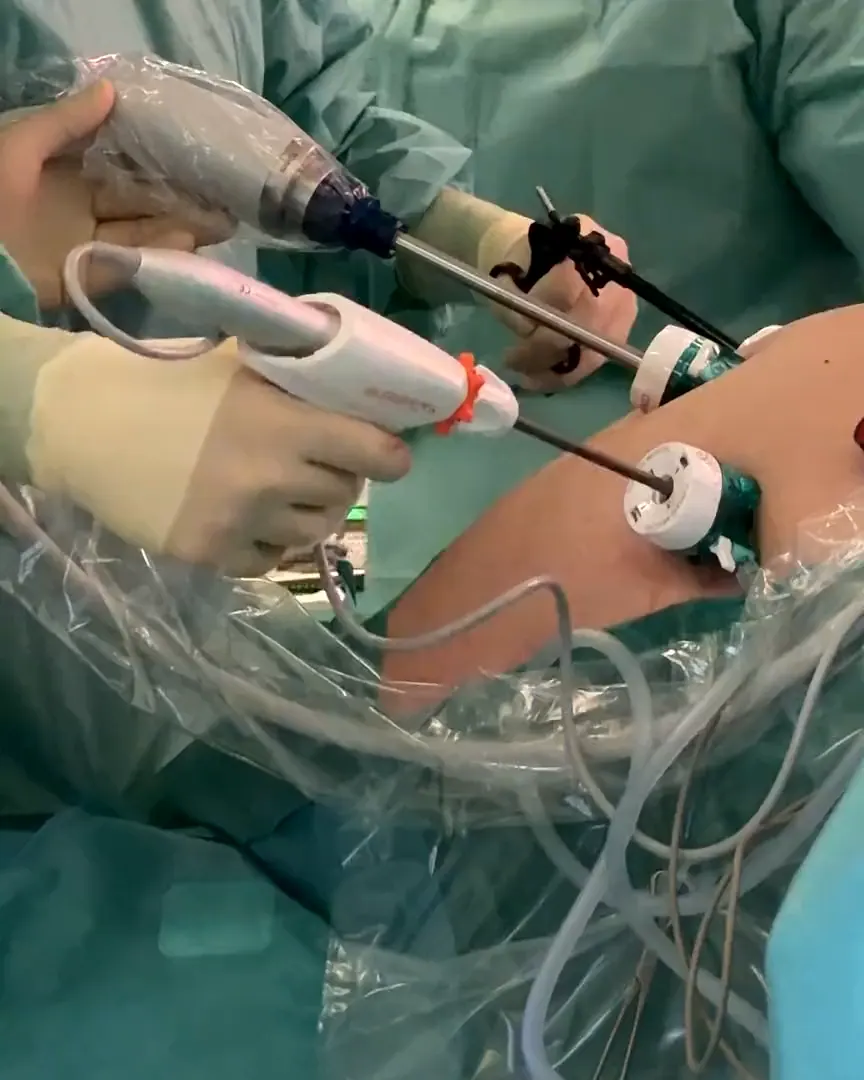
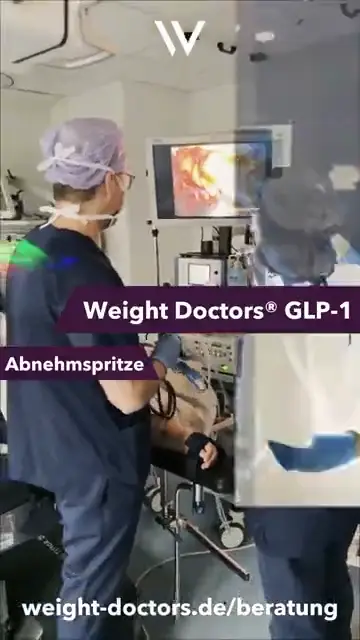
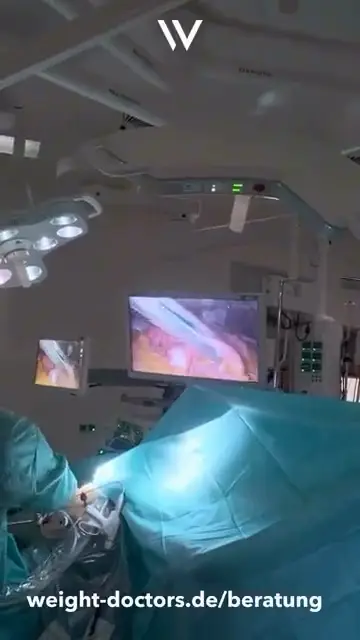
Hands of the surgical team guiding the instruments through small access points in the abdominal wall
  • RestrictionThe small pouch replaces the original stomach volume. You can take in considerably less food and feel full after small amounts.
  • MalabsorptionBecause the small intestine is reconnected, the food pulp and the digestive juices from the bile and pancreas meet only later. As a result, some of the nutrients are not digested and not used as energy.
  • MetabolismThe hormonal changes after the bypass can improve blood sugar, often even before weight falls – significant in type 2 diabetes mellitus.

What defines the gastric bypass

  • Dual effectLess room for food and lower absorption of nutrients: the bypass combines restriction and malabsorption.
  • Safely cared for after the operationThe Weight Doctors® Nationalklinik has its own intermediate care unit: if anything unexpected occurs after the operation, you continue to be cared for right on site.
  • Help with sweet cravingsThe bypass is particularly suitable for people who find it hard to give up sweets, fatty snacks or high-calorie drinks.
  • Substantial reductionThe stomach is reduced by 85–90%; the remaining pouch holds only 50–100 ml. Suitable for weight-loss goals of well over 40 kg.
  • Also after a previous bypassWeight Doctors® also offers secondary procedures and can also help after an earlier gastric bypass operation.

Who is the gastric bypass suitable for?

The body mass index is a first indication of how much excess weight affects your health. A BMI of 40 often means around 50 kg of excess weight in a man and around 40 kg in a woman. The bypass is intended for people who should lose well over 40 kg – and for whom the benefit–risk profile of this larger procedure is a particularly good fit.

Weight Doctors® patient adviser at a desk
  • Recommended from a BMI above 45, in exceptional cases also below.
  • For weight-loss surgery, we regard a BMI of around 40 as the lower limit – below that, the endoscopic Weight Doctors SLEEVE® is the gentler alternative.
  • For weight-loss goals of well over 40 kg.
  • Especially if sweets, fatty snacks or high-calorie drinks are hard to give up.
  • If conventional diets, medication and exercise therapies have not brought lasting success – we clarify this in a detailed consultation.
  • The changes after the surgery happen quickly. You should be ready to accept them consciously and with commitment.
  • Your requirements: besides BMI, related conditions such as type 2 diabetes, high blood pressure or sleep apnoea count. You are at least 18 years old and mentally stable; you are not pregnant and not planning a pregnancy in the immediate future.
  1. BMI from 40Lower limit for weight-loss surgery
  2. BMI from 45Gastric bypass recommended
BMI scale according to the WHOCalculate your BMI

Clarifying the requirements,
going into surgery well prepared

The chances of success of weight-loss surgery are good, but it must not be taken lightly. We therefore clarify all the important requirements in advance: whether your conventional attempts to lose weight have been exhausted, which procedure suits your needs and expectations, and whether your health profile is a fit.

Things can move quickly after this assessment. These building blocks are part of it:

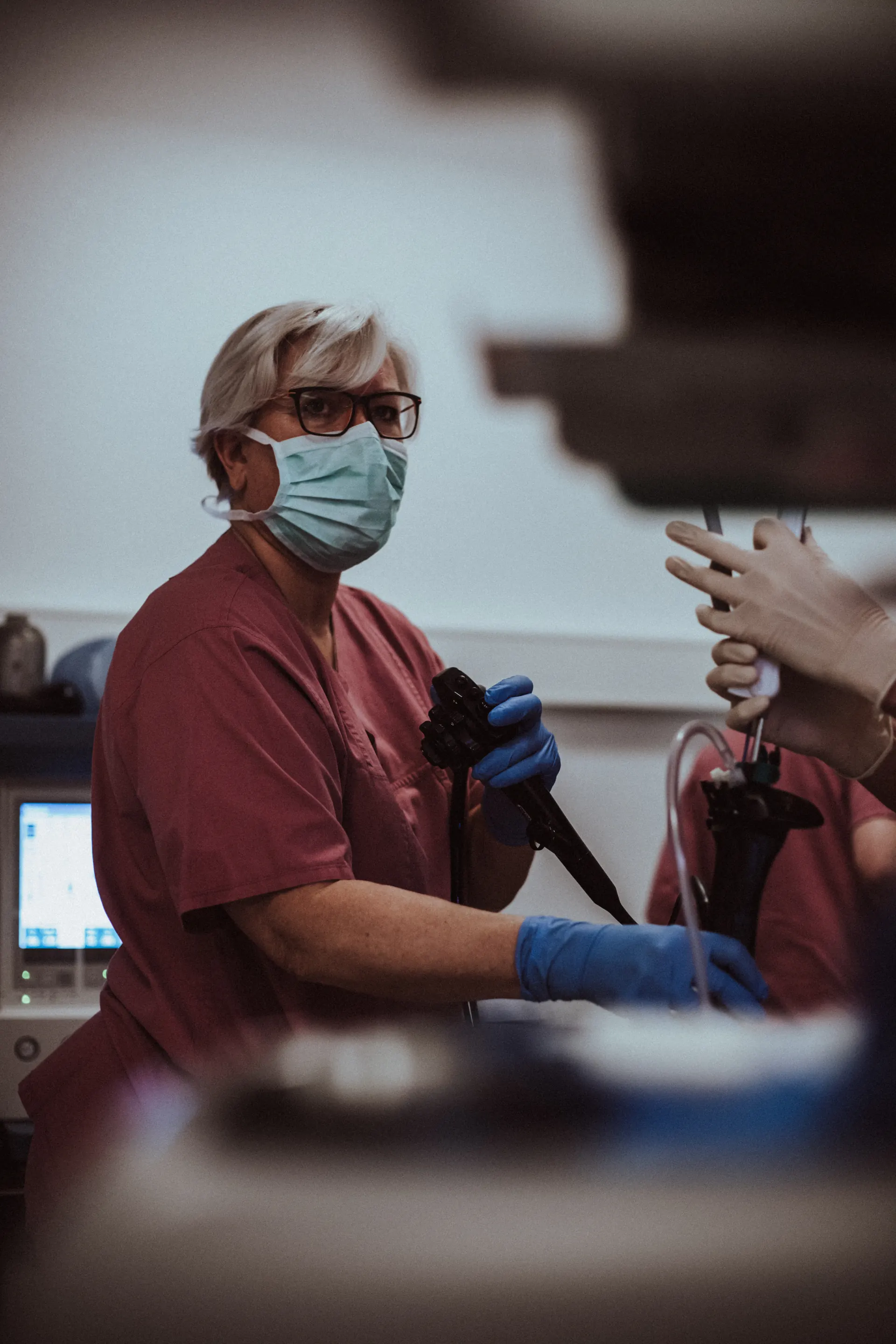
Staff member wearing a mask and gloves holding an endoscope in a treatment room
  • GastroscopyBefore the surgery, we look at your oesophagus and stomach from the inside. This picks up inflammation or other findings that should be treated beforehand or that speak against the procedure.
  • Blood count and baseline valuesA full blood count reveals existing deficiencies and provides the values that aftercare is based on; the 3D Bodyscan records your starting point.
  • Preparing your dietWith a nutrition guide and nutrition counselling, you prepare to be well nourished on considerably smaller portions after the surgery.
  • Multimodal programme (MMK)
  • The day of surgeryYou arrive fasting at the Weight Doctors® Nationalklinik in Wertheim, about 40 minutes south of Frankfurt Airport, and are admitted on the day of the operation.

How the operation works

There is no large abdominal incision: the operation is carried out using keyhole surgery. This lowers the surgical risks and can speed up recovery considerably – which matters especially with a high degree of excess weight. The operation takes about 120–150 minutes, in four steps:

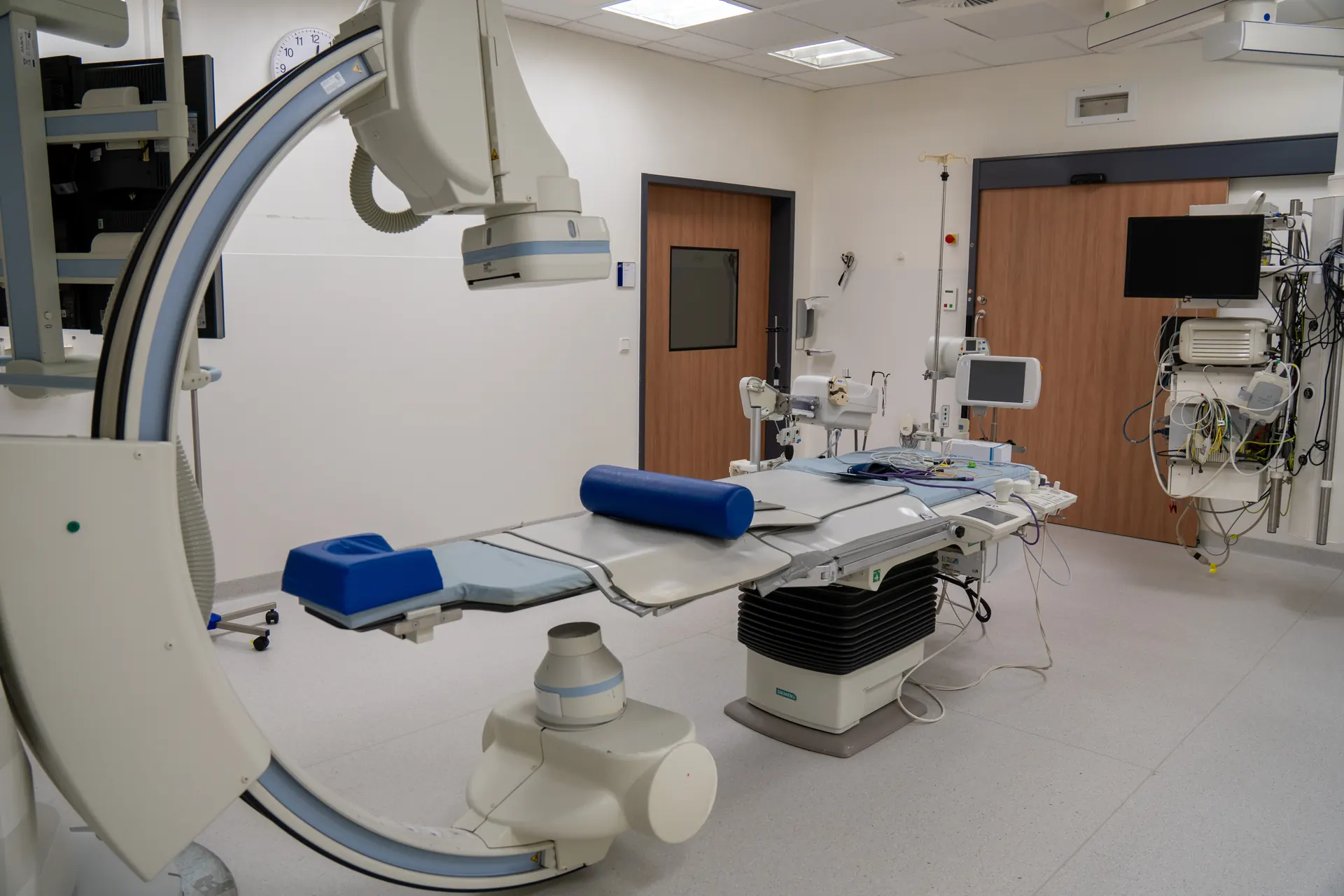
Operating theatre of the Weight Doctors® Nationalklinik in Wertheim
  1. Anaesthesia and accessOur specialists in anaesthesia induce the general anaesthesia. Through a few barely visible punctures, the surgeon introduces fine instruments, light and a sterile video camera into the abdominal cavity; a little carbon dioxide lifts the abdominal wall away from the organs, creating space and visibility.
  2. Small stomach pouchJust below the oesophagus, a stapler divides the stomach – it cuts and seals the tissue in the same step, so a time-consuming hand suture is not needed. What remains is a small, rounded pouch of 50–100 ml; the sealed remaining stomach stays in the body and now has contact with the digestive system only downwards.
  3. Connection to the small intestineThe small intestine is divided in the area of the jejunum; the lower end is connected directly to the stomach pouch (gastrojejunal anastomosis). Food thus bypasses the stomach.
  4. Y connectionThe upper, loose end is reconnected further down to the small intestine (Y anastomosis). Food pulp and digestive juices meet later, and only some of the nutrients are used – this completes the bypass.
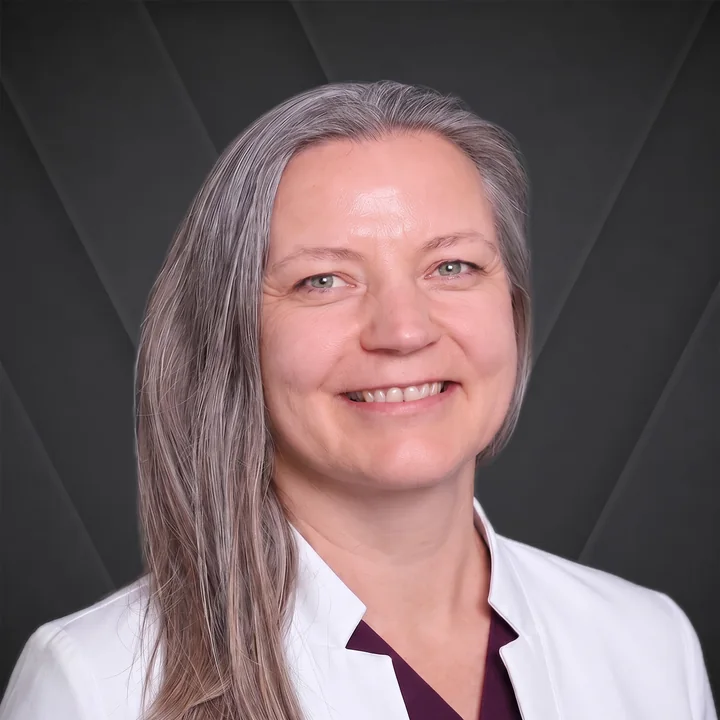
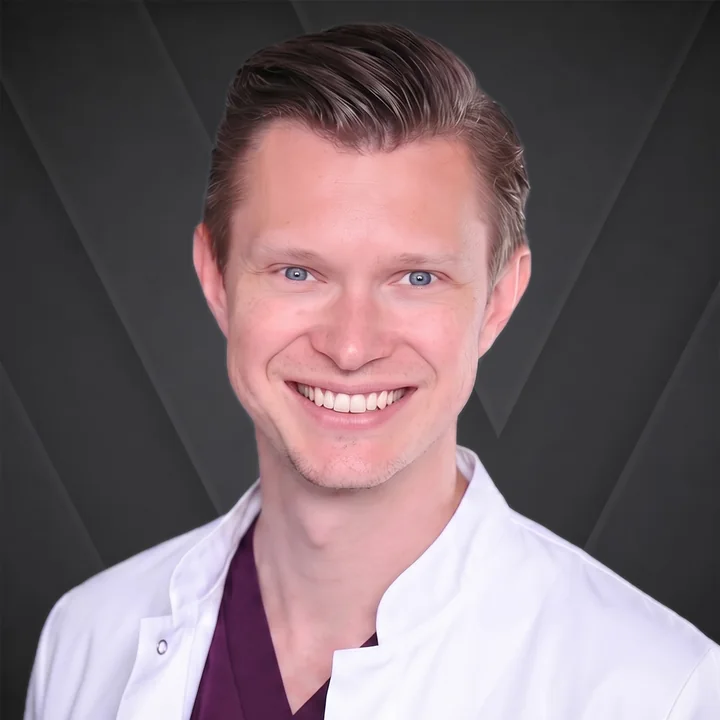
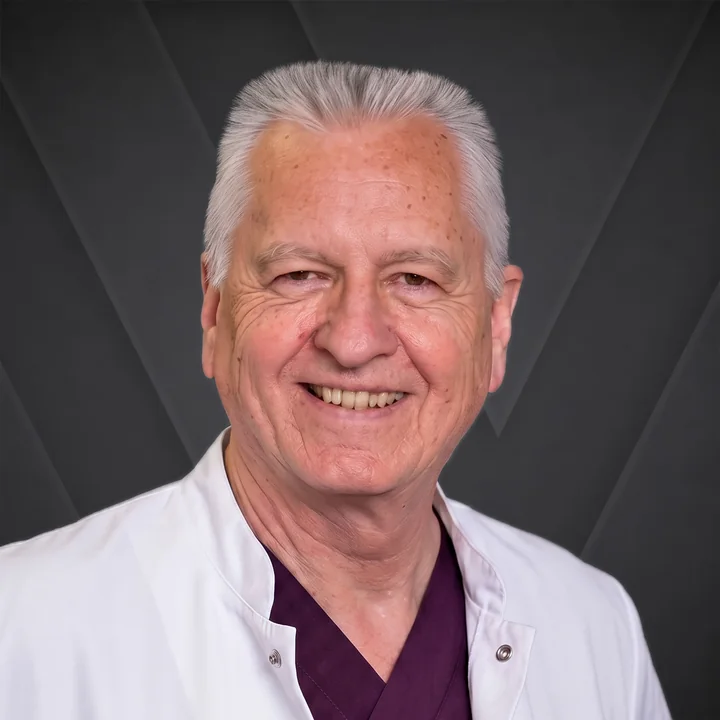
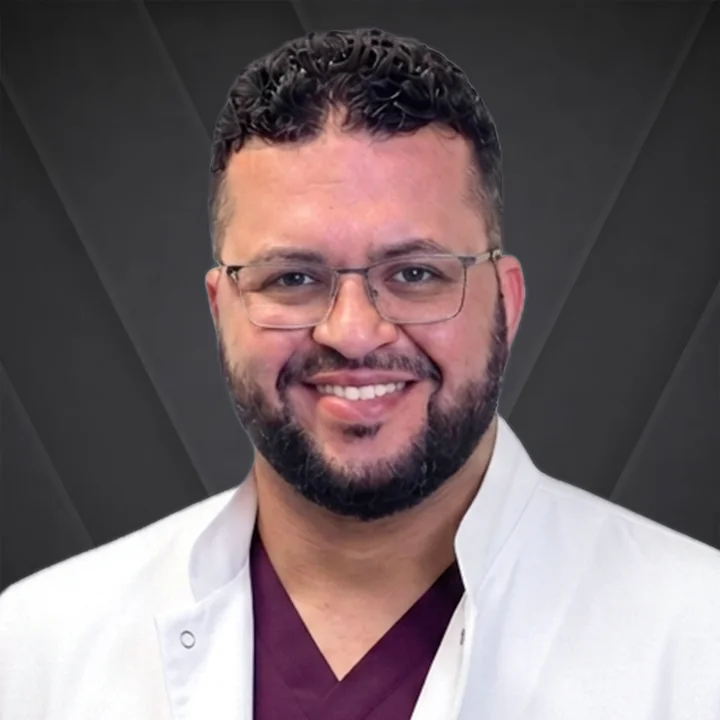
  • GermanyNetherlandsDr. ScheffelSpecialist in general and bariatric surgery
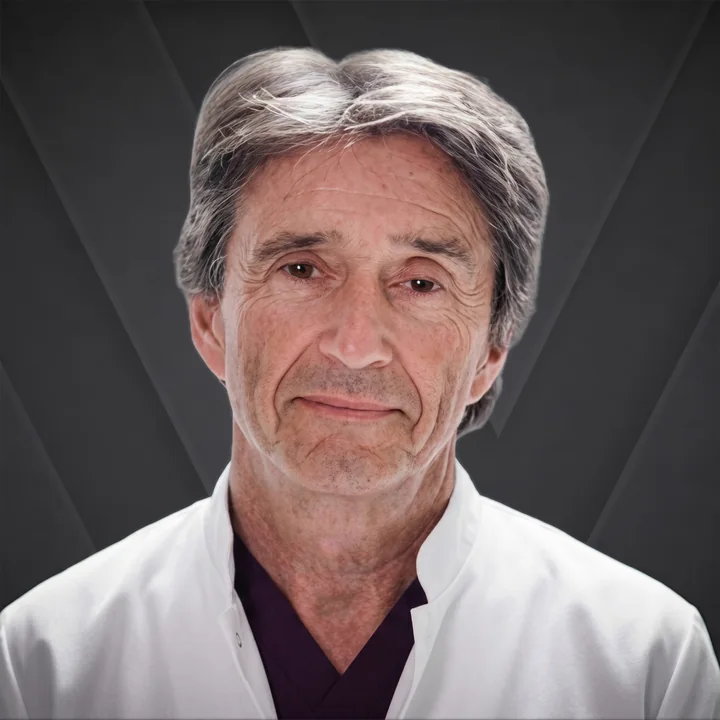
  • GermanyAustriaProf. MillerSpecialist in general and visceral surgery
  • GermanyDr. SchüderSpecialist in general, visceral and vascular surgery / specialist in specialised visceral surgery
  • GermanyM. MargolinsSpecialist in general surgery

All specialists

After surgery: step by step back to everyday life

Even without a large abdominal incision, residual risks remain after the operation. This is why you stay a few nights in the clinic, where our qualified nursing team looks after you.

After the procedure, we first monitor you in the recovery room, then you move to the ward, where you soon take your first steps. During your days in the clinic, we pay particular attention to your recovery, your circulation, your pain and how you tolerate the first sips of fluid. This is how things typically continue:

  1. 1–3 nightsInpatient careWith some follow-up examinations and blood tests before discharge.
  2. after around 14 daysBack to everyday lifeUntil then, you are generally not fit for social life or work.
  3. for lifeVitamins and check-upsSupplements based on your blood values help prevent deficiency.

Diet after the gastric bypass: rebuilding in four stages

After the surgery, your body gets used to the small stomach pouch and the new route of food, and the new connections need time to heal. You therefore rebuild your diet in set stages – accompanied by a nutrition plan for the first 8 weeks and by your coaches.

In the long term, how you eat is what counts: slowly and in small bites, protein first, drinking enough – and, every day, the nutritional supplements that match your blood values. You are better off avoiding sugary drinks, sugar and fast carbohydrates: they supply a lot of calories and can cause symptoms after the bypass.

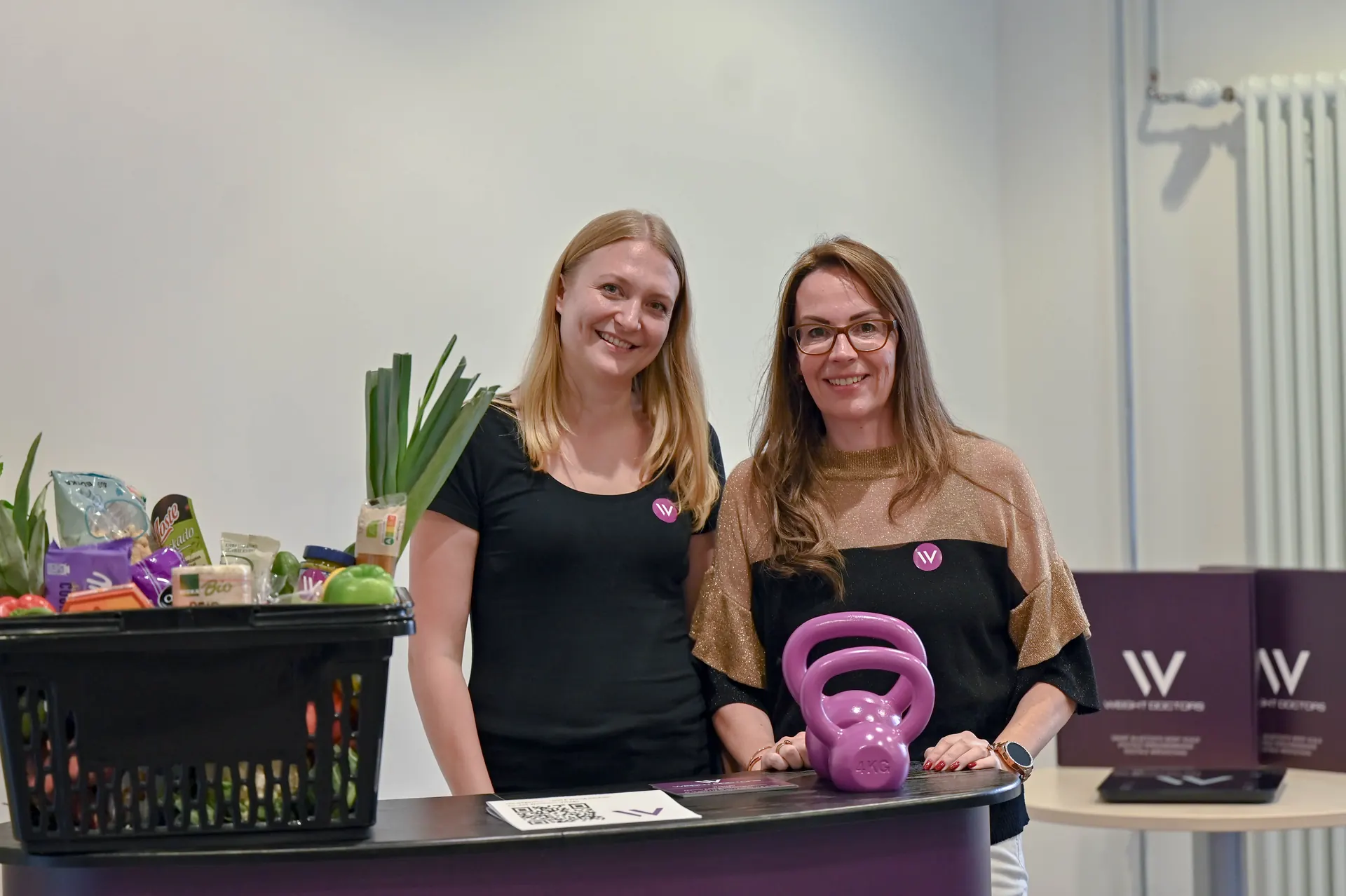
Two Weight Doctors® staff members with fresh fruit and vegetables
  1. Liquid dietFor the first 4–6 weeks, you live on a liquid-based diet. This allows the stomach pouch and the connections to heal in peace.
  2. Soft dietOnce everything has healed well at the check-up, soft, easily digestible foods are added – in small amounts.
  3. Small, protein-rich mealsStep by step, solid foods return. Protein comes first, and portions stay small.
  4. Eating normally, staying mindfulIn the end, you eat again without particular restrictions, only in considerably smaller amounts than before.

What results are possible?

Results vary from person to person. The changes after the surgery come quickly, physically and emotionally, and can be overwhelming at first. Weight loss that is maintained in the long term only works with a new everyday life of balanced nutrition and exercise – your coach, the Weight Doctors® App with Weight Doctors® Mira and Weight Doctors® 360° nutrition coaching help you with this.

In the long term, weight-loss surgery can bring about the following:

  • Substantial weight loss, ideally down to normal weight
  • Improvement in type 2 diabetes mellitus
  • Lower blood pressure and lower cholesterol levels
  • Fewer pauses in breathing during sleep (sleep apnoea) and less heartburn, relief from asthma
  • Less strain on the joints, more mobility and resilience
  • Better mood, more self-esteem, fewer migraine attacks

Excess skin afterwards? After a large weight loss, many people are left with excess skin. Weight Doctors® RESHAPE offers tightening, liposuction or body lift – by specialists in plastic and aesthetic surgery.

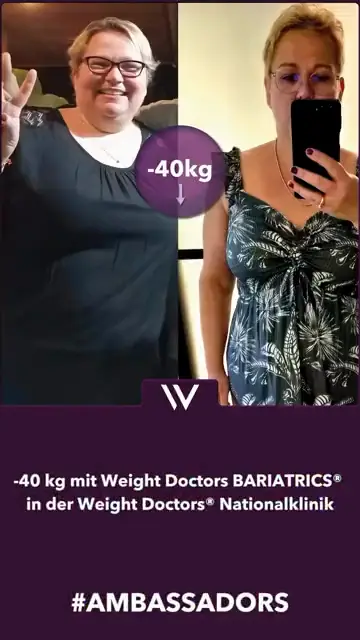
Results vary from person to person. The images show Weight Doctors® patients who have consented to their publication.

Risks and side effects: what you should know beforehand

The gastric bypass is a major procedure with permanent effects on digestion. As with any operation, complications can occur, such as secondary bleeding, wound infections, leaks at the sutures or blood clots; your personal risk depends heavily on your state of health. In addition, there are side effects that are typical of the bypass:

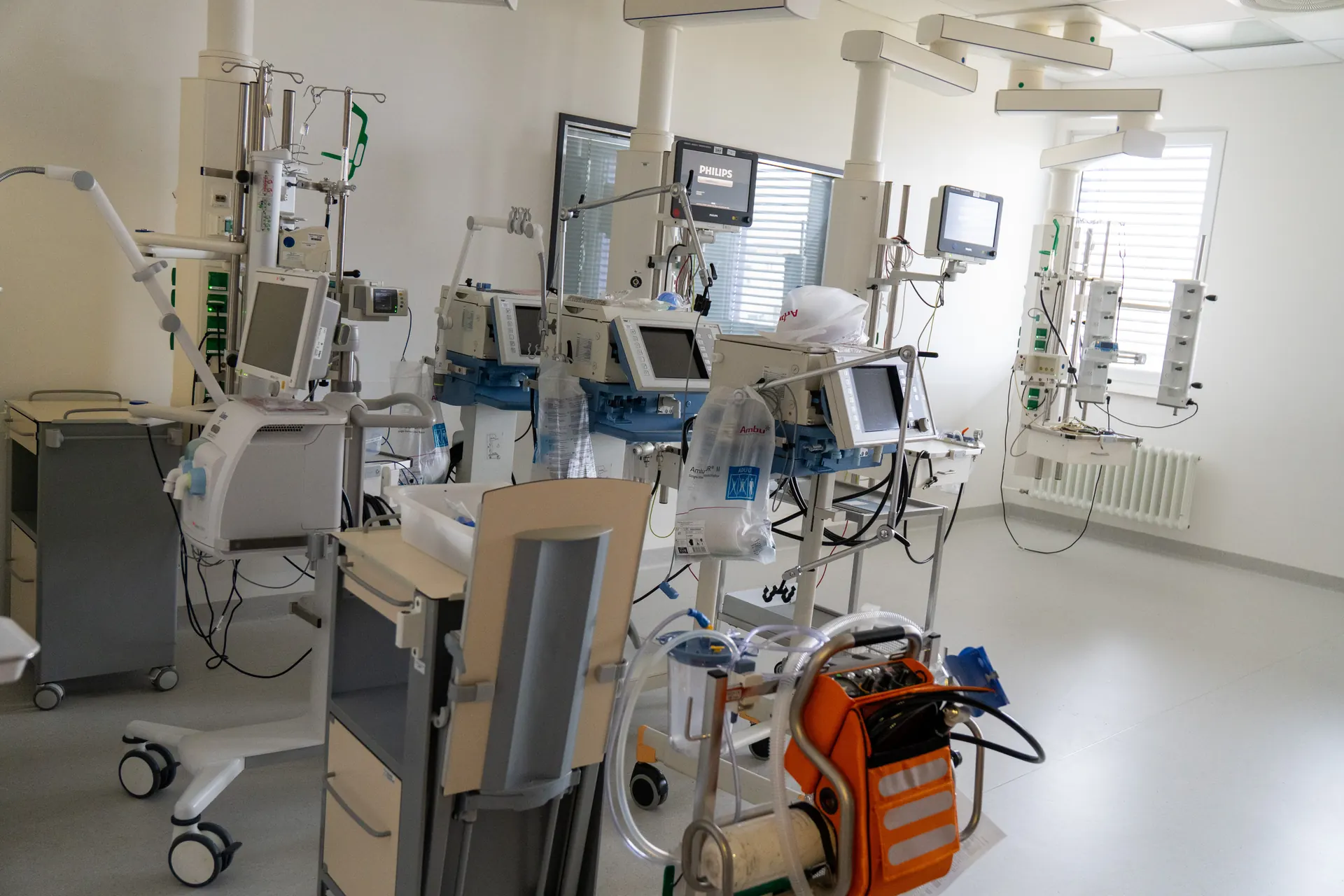
Monitoring stations with screens in the Weight Doctors® Nationalklinik
  • Dumping syndromeBecause food reaches the small intestine more quickly, nausea, a racing heart or dizziness can occur shortly after eating, and 1–3 hours later also trembling and ravenous hunger due to low blood sugar. More about dumping syndrome.
  • Nutrient deficiencyBecause part of the small intestine is bypassed, the body absorbs vitamins and minerals less well, such as vitamin B12, iron or calcium. Supplements and regular blood tests help prevent deficiency.
  • GallstonesThe rapid weight loss can promote the formation of gallstones and diseases of the gallbladder. You should therefore have discomfort in the upper abdomen checked promptly.
  • Weight regainOver the years, the stomach pouch or the connection can widen, and the effect can wear off. The bypass can then be adjusted endoscopically or surgically – more under Regained weight after weight-loss surgery.

This is how we reduce the risks: with thorough preliminary examinations, an operation by specialist doctors and aftercare that detects deficiencies and symptoms early. If problems arise later, the consultation of Weight Doctors® REVISION can help – even if you had your surgery elsewhere.

Bypass, gastric sleeve or extended sleeve?

Many people face the choice: as gently as possible with a non-surgical stomach reduction – or straight to an operation from Weight Doctors BARIATRICS®? The alternatives to the bypass at a glance:

  • Extended sleeve (Weight Doctors SLEEVE®)Entirely without surgery, as an outpatient and with no hospital stay. Endoscopically, usually 4–6 sutures are placed in the stomach in an O or Z pattern, gathering the tissue; only at the upper end does a small reservoir remain. The more sutures, the greater the reduction. More about the extended sleeve with OverStitch.
  • Gastric sleeveThe less invasive of the two weight-loss operations, with faster recovery. The stomach is reduced lengthwise, the larger part removed; what remains is a tube of 150–200 ml, which works through less space and less hunger hormone. More about gastric sleeve surgery.
  • Gastric bypassThe greatest change among weight-loss operations – in addition to the small stomach pouch comes the rerouting of the small intestine. Makes sense above all with a very high BMI, a large weight-loss goal, reflux or if sweets are hard to give up.
  • Deciding togetherWhich path suits you, we clarify in the consultation – based on your BMI, your related conditions, your eating habits and your weight-loss goal. You can find the direct comparison of all procedures in the overview of services.
ServiceGastric bypassGastric sleeve
TechniqueRoux-en-Y or omega loopLaparoscopic sleeve gastrectomy (LSG)
PrincipleReduction plus rerouting of the small intestineReduction without rerouting
Recommended BMIfrom 45from 40
Stomach reduction85–90 %75–80 %
Weight-loss goalsignificantly more than 40 kg40–50 kg
Duration of surgeryapprox. 120–150 minutesapprox. 75 minutes
Hospital stay1–3 nights as an inpatient1 night as an inpatient
Reversibletheoretically yes, but very complexno
Weight Doctors® Appincludedincluded

Gastric bypass

Technique
Roux-en-Y or omega loop
Principle
Reduction plus rerouting of the small intestine
Recommended BMI
from 45
Stomach reduction
85–90 %
Weight-loss goal
significantly more than 40 kg
Duration of surgery
approx. 120–150 minutes
Hospital stay
1–3 nights as an inpatient
Reversible
theoretically yes, but very complex
Weight Doctors® App
included

Gastric sleeve

Technique
Laparoscopic sleeve gastrectomy (LSG)
Principle
Reduction without rerouting
Recommended BMI
from 40
Stomach reduction
75–80 %
Weight-loss goal
40–50 kg
Duration of surgery
approx. 75 minutes
Hospital stay
1 night as an inpatient
Reversible
no
Weight Doctors® App
included

Weight-loss goal and values are guide values – results vary from person to person.

What does a gastric bypass cost?

As a self-paying patient, you can have the gastric bypass with Weight Doctors BARIATRICS® from £16,900; we set the exact amount in the consultation. Included are private-practice preliminary examination and aftercare, laboratory tests, anaesthesia, the clinic stay with medication and materials, one year of the Weight Doctors® App with a digital scale and Weight Doctors® Mira, and two 3D Bodyscans.

All prices

Paying in instalments: how it works

If you would like to spread the costs over a longer period, payment in instalments via our partner Ideal4Finance is possible. You decide the instalment amount and term yourself; Ideal4Finance reviews your application promptly. You submit the application together with us during your consultation, by phone or entirely paperless online – more under Pay in instalments.

The requirement is sufficient creditworthiness. In detail:

  • Main residence in Germany
  • no negative Schufa entries
  • employed or retired, with disposable income
  • Students, trainees and homemakers can enter a second person from the same household as the borrower – a parent, child, spouse or partner

Apply for instalmentsMore on instalments

Your specialists

In specialist hands.

39 doctors in Germany, Austria, the Netherlands, the United Kingdom and South Africa – at the Weight Doctors® Nationalklinik in Wertheim and at your location.

  • GermanyNetherlandsDr. ScheffelSpecialist in general and bariatric surgery
  • GermanyAustriaProf. MillerSpecialist in general and visceral surgery
  • GermanyPD Dr. WichmannSpecialist in visceral surgery & expert in endobariatrics
  • GermanyM. MargolinsSpecialist in general surgery
  • GermanyM. ShalabiSpecialist in general and visceral surgery
  • GermanyNetherlandsDr. JennerSpecialist in visceral surgery / specialised visceral surgery
  • GermanyDr. SchüderSpecialist in general, visceral and vascular surgery / specialist in specialised visceral surgery
  • GermanyA. SaberSpecialist in orthopaedics and trauma surgery
  • NetherlandsProf. GreveSpecialist in visceral and bariatric surgery
  • South AfricaDr. HanningtonSpecialist in surgery
  • South AfricaDr. MabeSpecialist in surgery
  • South AfricaDr. WolmaransSpecialist in surgery

All specialists

Frequently asked questions

Questions about the Weight Doctors BARIATRICS® gastric bypass

Your question isn’t listed? Your specialist will take time for it during the consultation.

What happens to the remaining stomach in a gastric bypass?

It stays in the body but is taken out of use: food runs via the small stomach pouch directly into the small intestine. The remaining stomach stays connected to the digestive tract via the small intestine, so its digestive juices continue to drain and reach the food pulp somewhat later. This distinguishes the bypass from the gastric sleeve, in which a large part of the stomach is removed.

From what BMI is a gastric bypass an option?

We recommend the gastric bypass from a BMI above 45, in exceptional cases also below. For weight-loss surgery, we regard a BMI of around 40 as the lower limit.

How long does gastric bypass surgery take?

The operation takes about 120–150 minutes and is carried out under general anaesthesia – using keyhole surgery, that is through a few small incisions instead of a large abdominal cut. What remains is 3 small scars, about the size of a small mole.

What is the exact procedure for gastric bypass surgery?

In advance, a gastroenterological preliminary examination clarifies whether anything speaks against the surgery. The procedure is carried out laparoscopically under general anaesthesia. Afterwards you generally stay 1–3 nights as an inpatient, looked after by experienced nursing staff; a few blood tests follow before discharge. For good healing, a special liquid-based diet is then prescribed for 4–6 weeks. After a gastroenterological check-up, you gradually rebuild your diet back to normal with our coaches.

When can I work again after the bypass?

Expect to be unfit for social life and work for about 14 days. You stay in the clinic for 1–3 nights; when you are physically fully fit again, we discuss individually with you.

How much weight do you lose with a gastric bypass?

This cannot be said with certainty in advance: results vary from person to person. They depend on your starting weight and metabolism, on how consistently you change your diet and exercise, and on whether you attend aftercare. The bypass is intended for people with a large weight-loss goal, usually well over 40 kg. Which goal is realistic for you, we discuss openly with you.

What is the difference between a Roux-en-Y and an omega-loop bypass?

Both are variants of the gastric bypass. In the Roux-en-Y bypass, the small intestine is reconnected in the shape of a Y. The omega-loop bypass (OLB) is often called a mini bypass, but it is by no means “mini” and is at least as invasive. Which variant makes sense for you, we discuss with you.

Can a gastric bypass be reversed?

Theoretically yes, because unlike with the gastric sleeve, no part of the stomach is removed: the remaining stomach stays in the body. However, a reversal is very complex and carries risks, which is why the bypass is designed as a permanent solution. If problems arise or the effect wears off, targeted adjustments are possible, for example with Weight Doctors® REVISION.

What does a gastric bypass cost?

The gastric bypass is part of Weight Doctors BARIATRICS®, for self-paying patients from £16,900, including private-practice preliminary examination and aftercare. Payment in instalments via Ideal4Finance is possible. All prices at a glance: Costs & prices.

Is the bypass better than the gastric sleeve for heartburn?

If you have existing reflux disease, we advise against the gastric sleeve; the bypass is then often the more sensible choice. If reflux occurs after a gastric sleeve, conversion to a bypass may also be an option – more under Reflux after gastric sleeve.

What do I need to bear in mind after a gastric bypass?

The bypass fundamentally changes your digestion. You therefore take nutritional supplements for life to prevent malnutrition: daily multivitamin preparations and, depending on your blood values, also vitamin D, vitamin B, iron and calcium supplements. In the long term, results are better if you eat healthily, take the supplements regularly and have your blood values checked.

How do I prevent regaining weight after the bypass?

The bypass is a powerful tool – but how lasting the result is also depends on your everyday life. The most common reasons for regaining weight are lack of exercise, constant snacking, fast food, and sugary, diet and alcoholic drinks. Your Weight Doctors® team supports you with nutrition and exercise programmes, in person and in the app.

Are there risks associated with gastric bypass surgery?

Yes, as with any operation. These include: infection from stomach juices leaking into the abdominal cavity, wound infections at the puncture sites, weakening of the abdominal wall or abdominal wall hernias, gallbladder diseases or gallstones due to the rapid weight loss, blood clots with possible pulmonary embolism, and vitamin deficiency, which supplements, aftercare and blood tests can help prevent. As with any operation, life-threatening emergencies can occur, for example due to the anaesthesia or an undetected complication after the operation.

Why Weight Doctors®

Good reasons for Weight Doctors®.

Specialised in one thing: lasting weight loss – from medication to surgery, with specialists at your location and our own Nationalklinik.
  • 23Locations in 6 countries
  • 39specialists
  • 5×ProvenExpert Top Recommendation in a row
  • 5treatments from gentle to surgical
ProvenExpert Top Recommendation 2022ProvenExpert Top Recommendation 2023ProvenExpert Top Recommendation 2024ProvenExpert Top Recommendation 2025ProvenExpert Top Recommendation 2026

All 13 reasons

As seen on TV & in the media

  • BILD
  • DIE WELT
  • ARD
  • Galileo
  • ProSieben
  • WAZ
  • SWR
  • Frankfurter Allgemeine
  • Brigitte
  • Apotheken Umschau
  • Handelsblatt
  • Hamburger Abendblatt
  • Main-Echo
  • Berliner Morgenpost
  • Gala
  • Bild der Frau
  • FOCUS
  • sonnenklar.TV
  • Süddeutsche Zeitung
  • Bild der Frau Schlank & fit
  • Fränkische Nachrichten
  • Klassik Radio
  • Mannheimer Morgen
  • Radio Gong 96.3
  • Stuttgarter Zeitung
Other treatments

All paths.
From gentle to surgical.

Every method has its place. Here you can see at a glance how major the procedure is, how long it takes and what starting price you can expect.

Wide range of services
no procedure
Surgery

All treatments

Consultation

On to your Weight Doctors® Experience.

The first step is a conversation: choose your treatment, location and appointment online here – consultation on site, by video or by phone.

  • 100% no obligation
  • One-to-one with your specialist
  • Appointments online, around the clock
  • 23 locations in 6 countries
Find a location near you

Prefer to call? 0330 808 9973Mon–Fri 8 am–8 pm · Sat 9 am–3 pm

Weight Doctors® at 23 locations in 6 countries23 locations

Which location is closest to you?

0330 808 9973Book a consultationBook a consultation